The history of Honda is often told through the lens of its modern reliability and the ubiquity of the Civic and Accord. However, for the air-cooled enthusiast, the true soul of the brand lies in the frantic, experimental, and uncompromising era of the 1960s and early 1970s. This was a time when Soichiro Honda, the company’s legendary founder, staked his reputation and the future of his company on the belief that air was the superior medium for cooling an internal combustion engine. From the high-revving T360 truck to the technologically complex Honda 1300, this period represents a unique chapter in automotive history where motorcycle engineering and high-output performance met compact, efficient design.
The Man and the Medium: Soichiro Honda’s Air-Cooled Dream
Soichiro Honda was an engineer first and a businessman second. His philosophy was forged in the heat of motorcycle racing, where weight and simplicity were paramount. In the early 1960s, as Honda prepared to transition from being the world’s largest motorcycle manufacturer to a producer of automobiles, Soichiro faced a critical choice. Most of the established automotive world had settled on water cooling as the standard for passenger cars. But to Soichiro, a radiator, a water pump, and hoses were unnecessary "crutches." He famously argued that since water-cooled engines ultimately dissipate their heat into the air anyway, it was more efficient to eliminate the middleman and cool the engine directly. This was not just a preference; it was a deeply held conviction that drove the company's research and development for over a decade.
This "air-cooled purity" wasn't just about simplicity; it was about performance. Air-cooled engines could reach operating temperatures faster and were inherently lighter, which suited Honda’s goal of making small, agile vehicles for a rapidly motorizing Japan. The transition began with the S360 prototype, a jewel of a roadster that unfortunately never saw mass production. However, the engineering lessons learned from that project were immediately applied to a humble commercial vehicle that would become Honda’s first production automobile, setting the stage for everything that followed.
The High-Revving Workhorse: The T360 and the Birth of Honda’s Auto Era
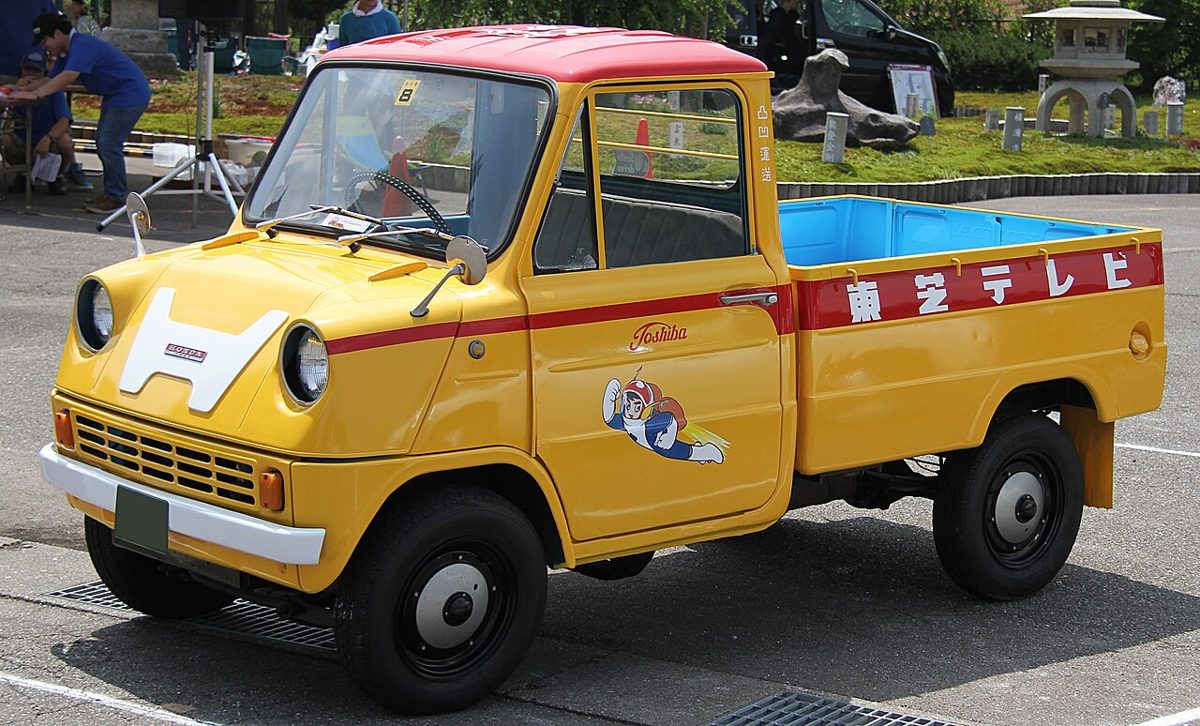
In June 1963, Honda released the T360, a "kei" truck that defied every expectation of its class. While competitors in the Japanese market were using simple, noisy two-stroke engines or primitive side-valve units, Honda installed a 356cc, double-overhead-cam (DOHC) inline-four engine. It was essentially a racing engine for a delivery truck. Mounted mid-ship under the bench seat to optimize weight distribution, this air-cooled marvel revved to an astonishing 8,500 rpm, producing 30 horsepower—a figure that put many larger cars to shame at the time.
For the air-cooled enthusiast, the T360 is a masterclass in packaging and innovation. The engine’s compact dimensions allowed for a remarkably efficient cabin, while the air-cooling meant no radiator was needed at the front, giving the truck its distinctive "clamshell" hood that allowed for easy access to the engine without disturbing the headlights. One of the most fascinating variants was the "Snow Crawler," which replaced the rear wheels with rubber tracks—a testament to the engine's reliability in extreme conditions. It was a bold statement: Honda’s cars would be engineered with the same precision and high-revving joy as its world-beating motorcycles. The T360 proved that an air-cooled engine could be reliable in a grueling workhorse application, paving the way for Honda's first true passenger cars.
Domestic Dominance: The N360 and the Kei Car Revolution
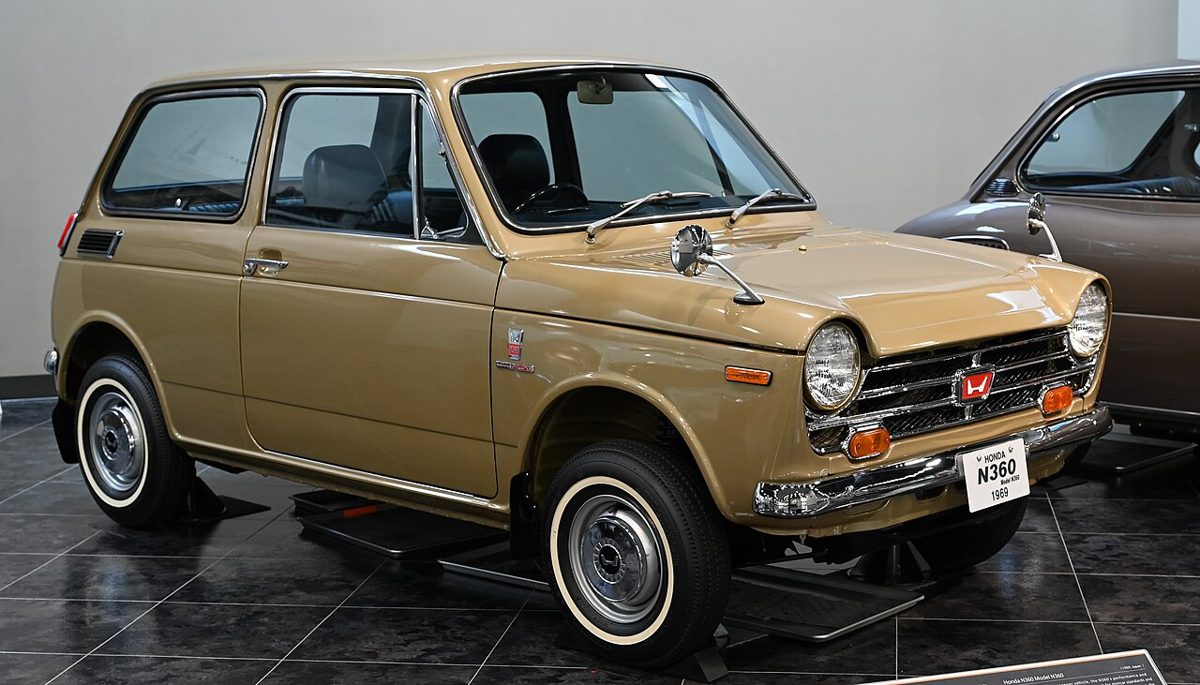
In 1967, Honda launched the N360, the car that would change Japan’s automotive landscape forever. The "N" stood for *norimono*, meaning "vehicle" or "thing to ride," and it lived up to its name by becoming the most popular car in Japan shortly after its release. Unlike the T360’s complex four-cylinder, the N360 used an air-cooled 354cc two-cylinder engine, reflecting a move toward easier mass production while maintaining the high-revving Honda DNA. The engine was essentially a modified version of the powerplant from the Honda CB450 motorcycle, adapted for front-wheel-drive automotive use.
The N360 was a front-engine, front-wheel-drive (FF) layout, a configuration that maximized interior space in the tiny 3-meter-long body. This "box-on-wheels" design provided surprising legroom and headroom, making it a viable car for a small family. With 31 horsepower, it was significantly more powerful than its main rival, the Subaru 360, sparking a fierce horsepower war in the kei car segment. For enthusiasts today, the N360 represents the pinnacle of the "motorcycle for four" concept—a raw, mechanical experience where every rev of the engine is felt through the steering wheel. It was simple, rev-happy, and incredibly fun to drive, proving that an air-cooled engine could provide genuine excitement on a budget.
Global Ambition: The N600 and the First Export Frontier
While the N360 conquered the Japanese domestic market, it was the N600 that introduced Honda automobiles to the rest of the world. Recognizing that the 354cc engine was too small for American highways and European motorways, Honda bored out the twin-cylinder unit to 598cc. The result was a 45-horsepower firecracker that could actually keep up with traffic in Los Angeles and London, reaching a top speed of over 75 mph.
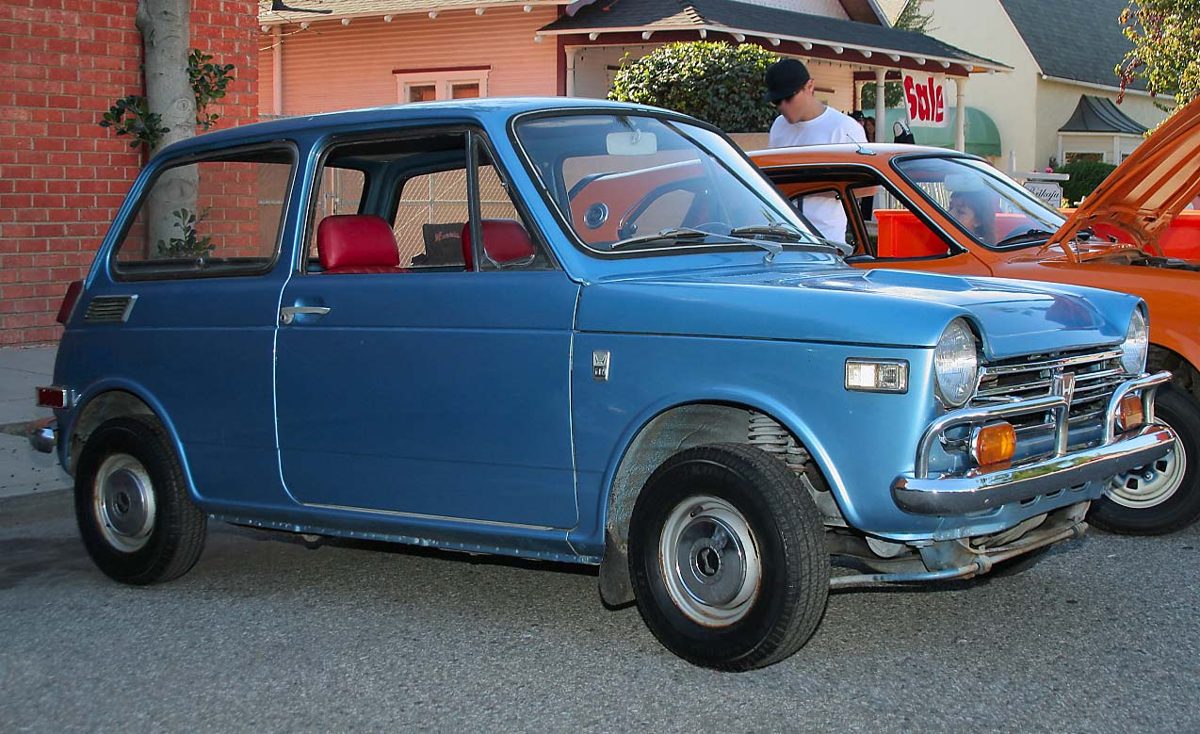
The N600 was Honda’s first official car export to the United States, arriving in late 1969. Because Honda didn't have a car dealer network at the time, the N600 was often sold through existing Honda motorcycle dealerships, further cementing the brand's image as a disruptor of traditional automotive norms. Air-cooled fans appreciate the N600 for its honesty and purity; it didn't try to hide its mechanical nature. The air-cooled twin hummed with a distinctive, rhythmic thrum, and the absence of a bulky, water-filled cooling system allowed for a light, tossable chassis that could out-handle cars twice its size. It was the precursor to the modern "hot hatch" philosophy, wrapped in a charming, air-cooled package that won over a generation of buyers looking for something different from the American V8 giants.
Utilitarian Soul: The TN-Series and the Versatile Air-Cooled Platform
Alongside the passenger cars, Honda continued to evolve its commercial line with the TN360. Replacing the original T360, the TN-series utilized the simplified two-cylinder air-cooled engine from the N360. This strategic move made the trucks more affordable and easier to maintain, which was critical for Japan’s burgeoning small-business sector during the economic boom of the late 1960s.
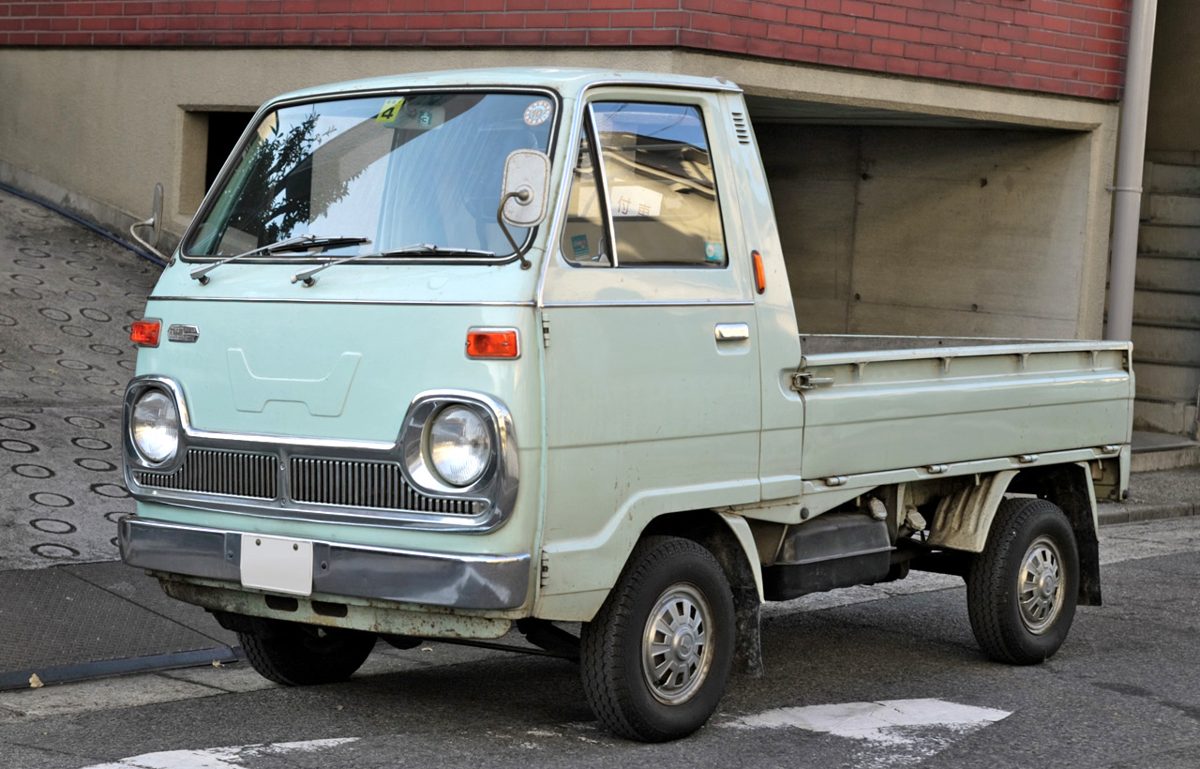
The TN360 and its successors, like the TN-III, were masters of utility. The mid-mounted air-cooled engine kept the center of gravity low and allowed for a completely flat cargo floor, a major advantage in the crowded streets of Japanese cities. For the modern collector, these trucks are prized for their rugged simplicity and the ingenious way Honda integrated air-cooling into a mid-engine layout. The "chuff-chuff" of the air-cooled twin became a soundtrack for the streets of Tokyo, proving that Honda’s philosophy was as much about practical, reliable mobility as it was about high-rpm performance. These little trucks were the unsung heroes of Japan's post-war reconstruction, all powered by air and Honda's relentless engineering spirit.
The "Waterless" Sportscar: The Z600 and the Lifestyle Coupe
As the 1970s approached, Honda sought to add more style and youth appeal to its lineup. The result was the Z600, often called the "Z" or the "Coupe." Sharing the N600's 598cc air-cooled engine, the Z was a sporty, two-door coupe with a futuristic, almost spaceship-like design that stood out from everything else on the road. Its most famous feature was the large, black-rimmed rear glass hatch, which earned it the affectionate nickname "diving mask" (*suichu-megane*) in Japan.
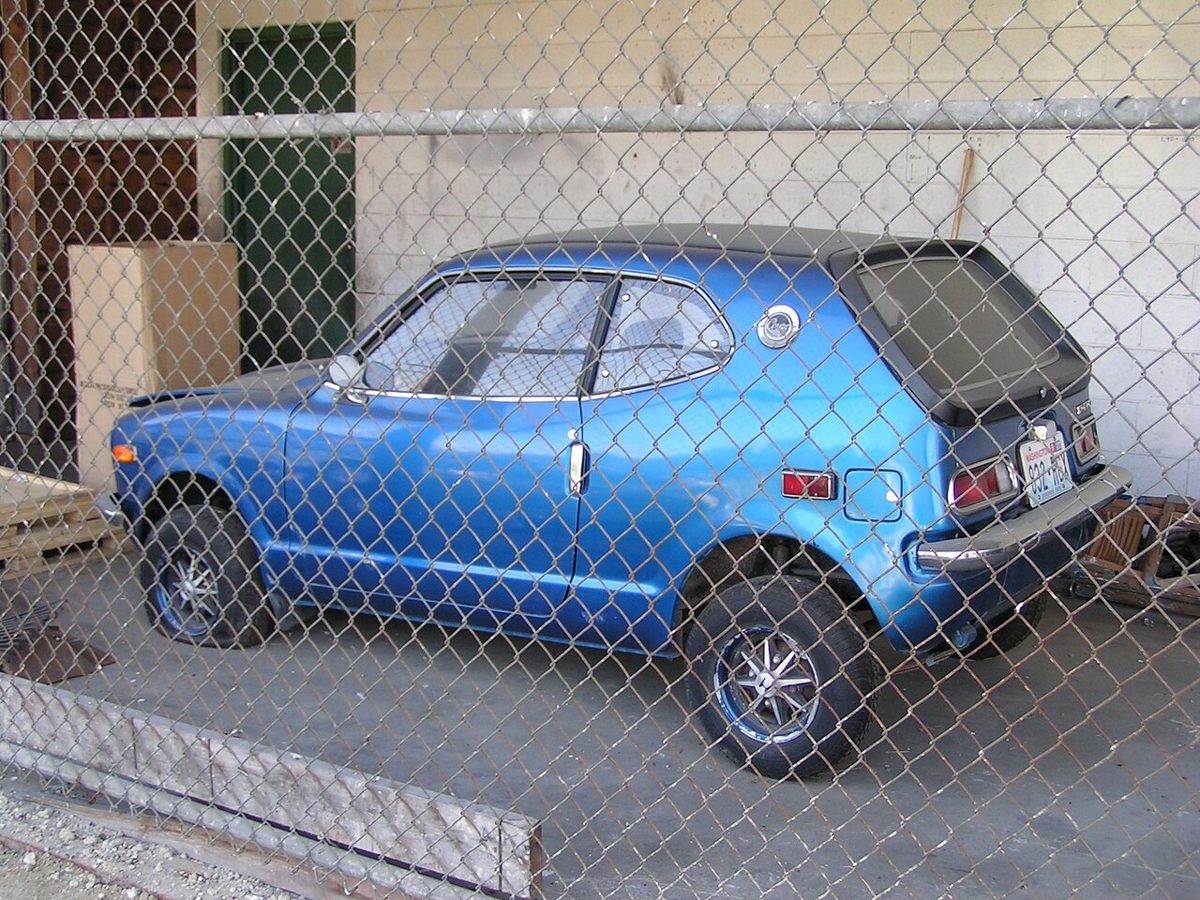
The Z600 took the air-cooled experience and made it fashionable for the global market. In the United States, it was marketed as a stylish, fuel-efficient alternative to the gas-guzzling monsters of the era. Inside, the dashboard felt more like an aircraft cockpit, with recessed gauges and a floor-mounted shifter that invited spirited driving. Despite its small size, it offered a level of driving engagement and road feel that was rare for its price point. For air-cooled enthusiasts, the Z600 is a cult classic. It represents the "lifestyle" side of the era—a car that was meant to be fun, efficient, and technologically distinct. It was the sporty sibling that proved air-cooling wasn't just for economy cars or delivery trucks; it could be the heart of a genuine, style-forward enthusiast's coupe.
The Magnum Opus: The Honda 1300 and the DDAC Challenge
In 1969, Soichiro Honda’s obsession with air-cooling reached its zenith with the release of the Honda 1300. This was not a tiny kei car, but a full-sized sedan intended to compete directly with established giants like the Toyota Corona and Nissan Bluebird. Soichiro insisted that this car remain air-cooled, despite the massive challenge of cooling a 1.3-liter, high-output four-cylinder engine designed to produce class-leading power.
The solution was the Duo Dyna Air Cooling (DDAC) system. This was perhaps the most complex and ambitious air-cooling system ever devised for a production car. The engine block and head were double-walled, with a space between the walls that acted as an air passage. A massive, high-velocity fan attached to the flywheel forced cooling air through these "jackets" and over the deeply finned cylinder barrels. Additionally, the engine utilized a dry-sump lubrication system, where the oil circulated through intricate, finned passages within the engine block itself. This effectively turned the entire cast-aluminum structure into an enormous oil cooler, replicating the thermal management of a liquid-cooled engine without using water.
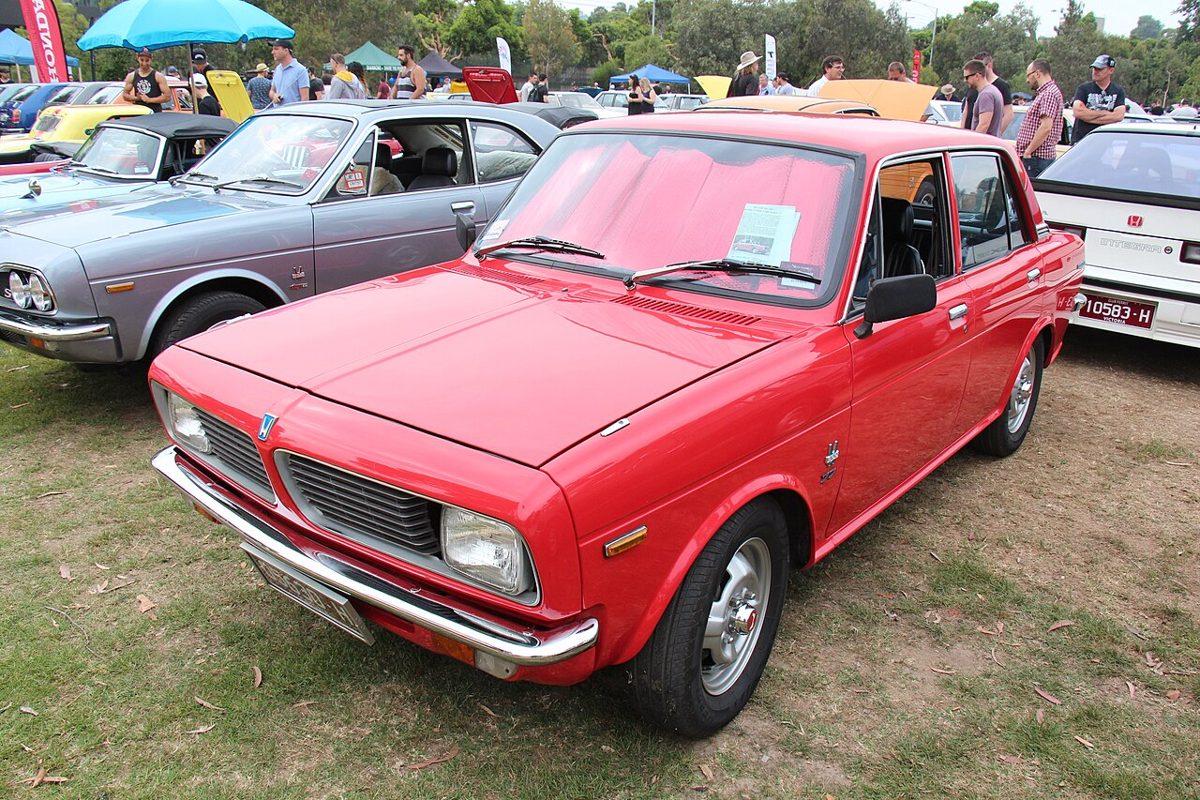
The results were statistically staggering for 1969. The "99" series 1300, equipped with four carburetors and a high-compression head, produced 115 PS (roughly 113 horsepower) from just 1.3 liters—a specific output that rivaled the Porsche 912 and exceeded almost every contemporary economy car. It was a technical tour de force that remains a legend among engineering buffs and air-cooled purists. However, the sheer density of the DDAC system made the engine incredibly heavy, and the casting process for the double-walled blocks was fraught with complexity and high production costs.
Engineering Excellence vs. Practicality: The Fall of the 1300
While the Honda 1300 was a masterpiece of air-cooled design, it also highlighted the limitations of the technology. The heavy engine, hanging over the front wheels in a front-wheel-drive layout, caused significant weight distribution issues. This led to pronounced understeer and rapid tire wear, making the car difficult to drive at the limit. Furthermore, as the world moved toward stricter noise and emissions regulations—most notably the Muskie Act in the United States—the inherent challenges of air-cooled engines became insurmountable. Their higher operating noise and less consistent temperature control made it difficult to meet emerging environmental standards.
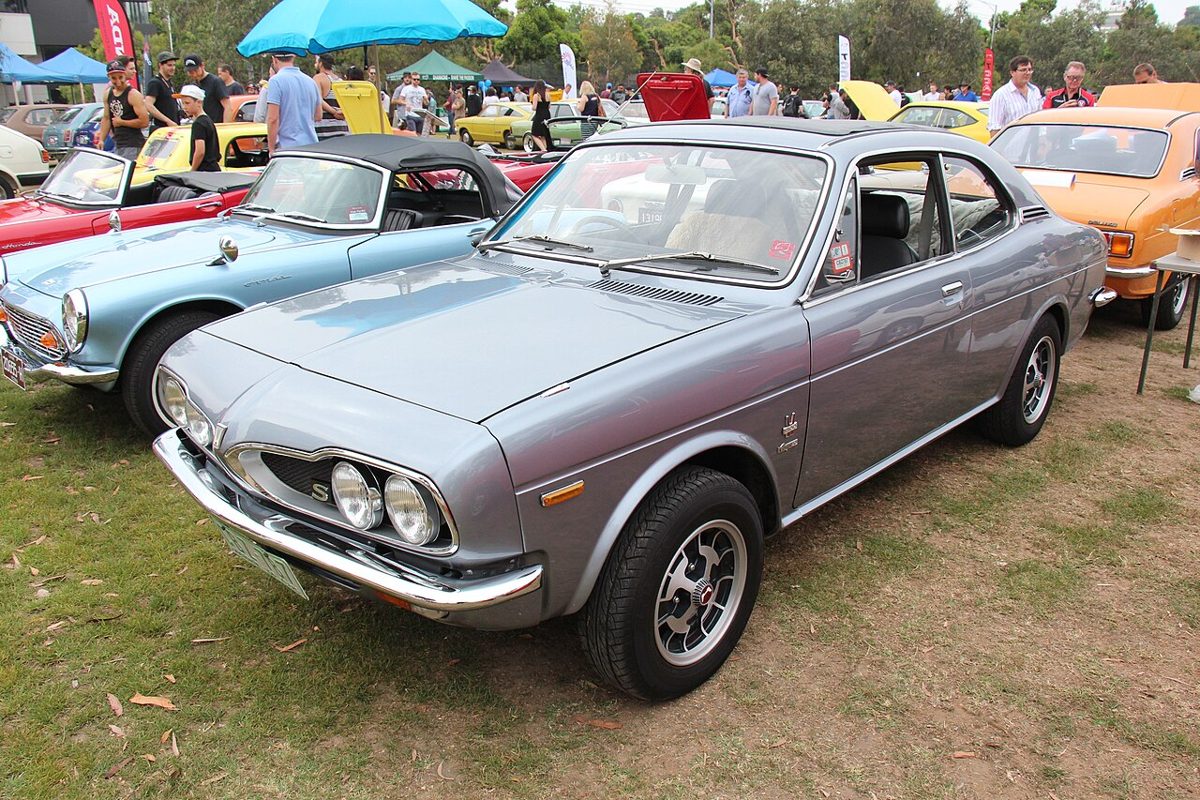
Internal tension within Honda reached a boiling point during this period. A new generation of engineers, recognizing that the industry was moving toward water cooling for better emissions control, cabin heating, and refinement, frequently clashed with the founder. They famously developed a water-cooled prototype in secret, testing it against the 1300 to prove that water cooling was the more sustainable path forward. Soichiro Honda, despite his legendary stubbornness, was a man of great integrity. When presented with undeniable data, he eventually acknowledged the limitations of his air-cooled vision. The Honda 1300 was replaced by the water-cooled Honda 145, and the era of the high-output air-cooled Honda sedan came to a close, marking a fundamental shift in the company's philosophy.
The Transition: From Air-Cooled Purity to the CVCC Civic
The "failure" of the Honda 1300 was, in many ways, the catalyst for the brand’s greatest global success. The engineering team, freed from the constraints of pure air-cooling but still driven by Soichiro's demand for efficiency and compact packaging, applied everything they had learned to a new project: the Honda Civic. Launched in 1972, the Civic was water-cooled from the start, but it carried the spirit of the N600 in its front-wheel-drive layout, transverse engine, and incredible space-efficiency.
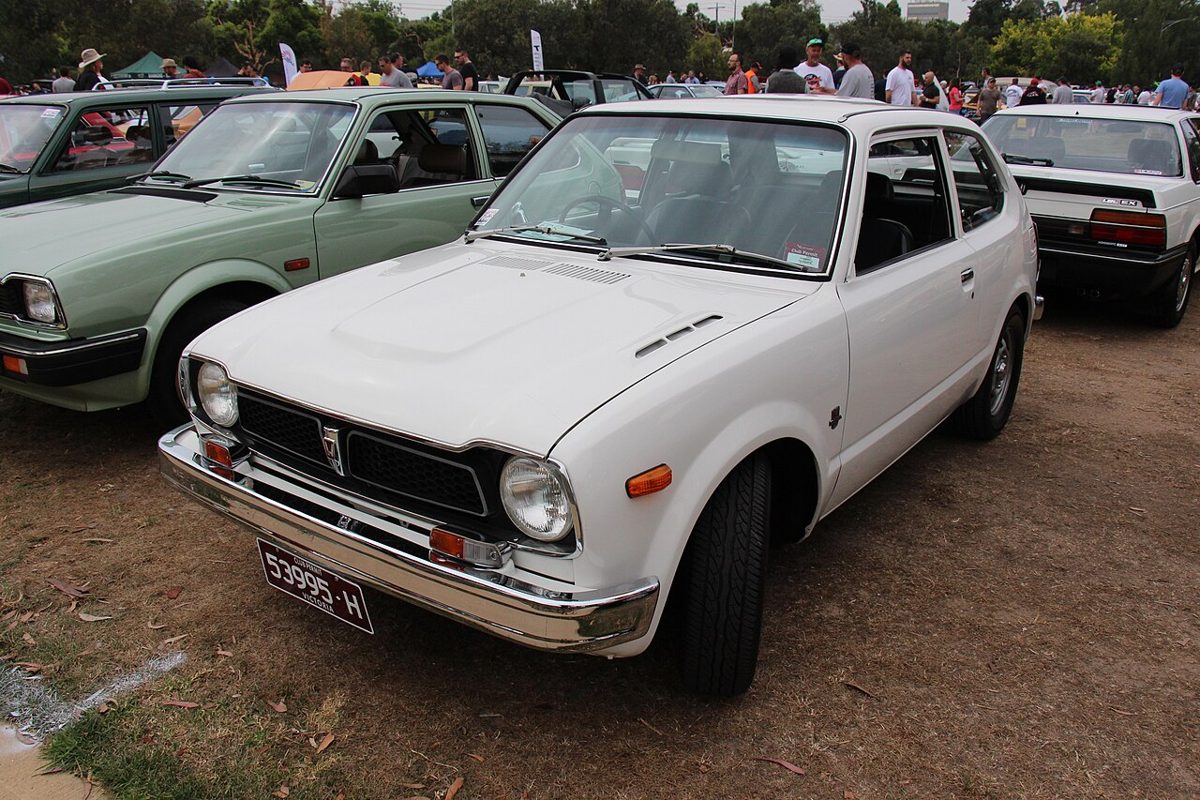
The true breakthrough came with the CVCC (Compound Vortex Controlled Combustion) engine. This revolutionary technology used a small auxiliary combustion chamber to initiate a lean burn, allowing the Civic to meet the incredibly strict U.S. Clean Air Act standards without the need for a catalytic converter—a feat that stunned the American automotive giants. While the Civic moved away from the literal air-cooling of its predecessors, it owed its existence to the bold, experimental spirit of the N-series and the 1300. The Civic proved that Honda could be a global powerhouse by balancing high-level engineering innovation with the practical realities of a changing world. It was the car that truly established Honda as a household name in the West.
The Enthusiast’s Legacy: Why Air-Cooled Hondas Still Matter
Today, the air-cooled Honda era is remembered with immense fondness and respect by collectors and "vintage-JDM" enthusiasts. These cars represent a unique moment in time when the boundaries of automotive design were still being pushed by individual visionaries and small teams of passionate engineers rather than committee-driven focus groups. To drive an N600, a Z600, or a T360 today is to experience Honda in its most raw and transparent form—rev-happy, mechanically honest, and unapologetically clever.
The appeal of these cars to the air-cooled enthusiast is obvious and enduring. They offer a distinct, high-revving alternative to the more common air-cooled machines from Germany or Italy. They possess a "motorcycle with four wheels" character that is uniquely Japanese and uniquely Honda. Whether it’s the jewel-like DOHC four of the T360 or the over-engineered, uncompromising complexity of the 1300 DDAC, these vehicles are monuments to a time when air-cooling was the frontier of automotive performance. They remind us that even the most successful companies once took massive risks in the name of an engineering ideal, and that pioneering spirit is exactly what keeps the passion for classic Hondas alive on the roads and at car shows today.
Image credits
- COVER: Honda T360 by TTTNIS, Public Domain.
- IMG1: 1969 Honda N360 Super Deluxe by TTTNIS, CC0.
- IMG2: 1970 Honda N600 by Rex Gray, CC BY-SA 2.0.
- IMG3: Honda TN-III 001 by Tennen-Gas, CC BY-SA 3.0.
- IMG4: Honda Z600 by dave_7, CC BY-SA 2.0.
- IMG5: 1969 Honda 1300 Series 77 Sedan by Sicnag, CC BY 2.0.
- IMG6: 1971 Honda 1300 Coupe 9 by Sicnag, CC BY 2.0.
- IMG7: 1973 Honda Civic Coupe by Sicnag, CC BY 2.0.